
Accident, Suicide, and the Stories People Accept
Why Didn't They Ask EvansThe novel examines how communities accept explanations that protect familiar assumptions, even when those explanations conceal deliberate violence.
increasing Bearing strength in each event
 decreasing
Bearing strength in each eventdecreasingA Dangerous Path

A Dangerous Path
An accident waiting to happen
The cliff path has a sharp turn and no railing, and mist makes the edge hard to see. The physical setting gives witnesses an immediate, believable explanation for a fall.
A truth hidden by plausibility
Because the path is genuinely hazardous, a murder can be mistaken for misadventure. The setting does not lie, but the interpretation built upon it does.
The Civic Remedy

The Civic Remedy
A practical recommendation
The jury asks the town council to install a rail, treating the death as evidence of a dangerous public path. The recommendation appears responsible and useful.
A problem misdiagnosed
Improving the path cannot reveal that Alan Carstairs was pushed. A practical remedy can make a community feel that it has addressed a tragedy while leaving its human cause undiscovered.
A Suicide That Fits
A Suicide That Fits
A familiar explanation
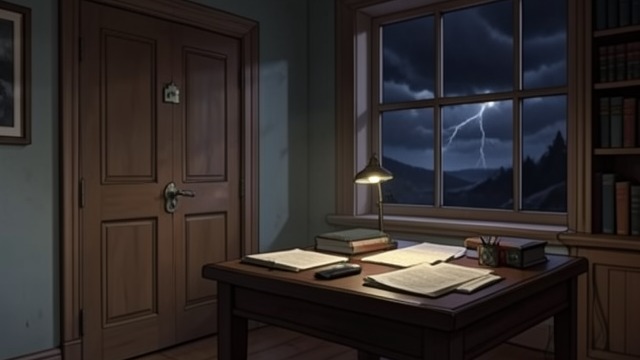
Henry’s addiction and the farewell letter make suicide seem credible to investigators and relatives. The locked study reinforces the story Roger has staged.
Sympathy as camouflage
The verdict of suicide while of unsound mind offers a compassionate interpretation of a death that is actually murder. The accepted account depends on what people already believe about illness and despair.
The Social Need to Believe
The Social Need to Believe
A family protected by convention
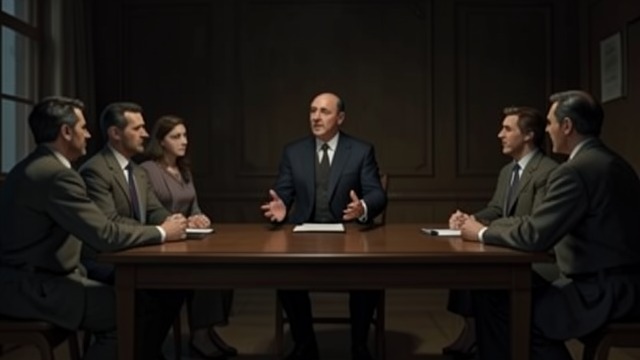
The coroner conducts Henry’s inquest tactfully, and local people accept a verdict that spares the family further distress. Familiar respectability makes deeper suspicion uncomfortable.
Kindness has a cost
The wish to avoid hurting mourners can also make a false explanation easier to sustain. The novel presents social sympathy as humane, but not automatically reliable as a path to truth.
Accidents Reconsidered
Accidents Reconsidered
A sequence exposed
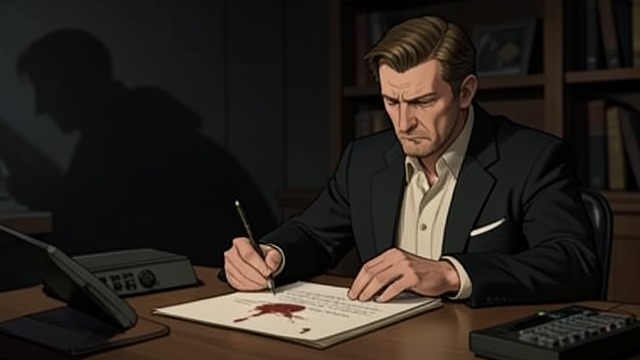
Roger’s letter reveals deliberate plans involving Tommy, Alan Carstairs, and the false car accident intended for Bobby and Frankie. What looked like scattered misfortune becomes a recurring criminal strategy.
Appearances lose authority
The account forces a reinterpretation of earlier scenes without making every accident automatically criminal. The story’s caution is clear: plausible explanations deserve scrutiny, but suspicion alone is not proof.
At the opening cliff scene
At the conclusion of the first inquest
At Henry’s inquest
During the aftermath of Henry’s death
After Roger confesses from abroad
